
Child Therapy
Each developmental phase presents specific challenges for children that they tend to work through as normal parts of growing up. Mental health problems can exacerbate these challenges, though, and in many cases, mental health issues arise as a direct result of events in a child’s life, whether those events are traumatic experiences such as being bullied or ordinary experiences such as moving to a new home.
Every child will respond differently to changes in life, but some of the events that may impact a child’s mental health include:
- Parental divorce or separation.
- The birth of a sibling.
- The death of a loved one such as a family member or a pet.
- Physical or sexual abuse
- Poverty or homelessness.
- Natural disaster.
- Domestic violence.
- Moving to a new place or attending a new school.
- Being physically or emotionally bullied.
- Taking on more responsibility than is age-appropriate.
Child psychotherapy is the creation of a therapeutic relationship which is almost solely focused on the emotional and social well-being of the child. Youth Counselling is for any young person who's having problems. Whether it's depression and mental health concerns or issues with parents or people at school. Talking to a qualified Counsellor can help.
Training
TJ Social Work Services is accredited by HWSETA as a training institute on the following qualification: NC: Child and Youth Care (60209) NQF LEVEL 4 The Children’s Act 38 of 2005 mandates that individuals working with Children should be qualified in that regard. It is on this basis that TJ Social Work Services offers this course in a highly qualified environment by qualified professionals to protect and promote Children ‘Rights. A qualified Child and Youth Care Worker can be employed in any organization or environment offering Child Care Services.
Full Course: R19500
Registration Fee: R5500
Admin Fee: R200
Monthly Fees: R1500
The registration includes:
Course material
Stationery
1 tablet smartphone
Free Wi-Fi on premises
Workshops
TJ Social Work Services also offers workshops and short courses to individual and groups at a reasonable rate on the following:
Parenting
Child Care
Trauma Debriefing
Victim Empowerment
Children’s Act
Child Abuse
TJ Social Work Services also offers holiday programmes for youth to empower them to deal with social issues and pressures affecting them.


Family therapy
is a type of psychological counseling (psychotherapy) that can help family members improve communication and resolve conflicts. Family therapy is usually provided by registered social worker. The types of family therapy includes but is are not limited to:
Structural Therapy
Structural family therapy assesses power dynamics within the family unit, and analyzes each family member’s assigned “role” within the family unit. Family hierarchies are examined and analyzed, and the amount of power that each individual family member has is examined and, if necessary, redistributed. Structural therapy seeks to empower each family member and to individualize the needs of each one, in addition to establishing respect between all family members.
Strategic Therapy
Strategic therapy closely examines patterns of interaction and conflict between family members and seeks to increase awareness and mindfulness of these patterns. A more direct approach than some other family therapy techniques, each individual family member is assigned work in order to improve how they interact with their other family members, particularly those who may be facing unique challenges or struggling with mental or neurological illnesses or disorders. This therapy technique also subverts the authority of the most dominant family member, allowing communication changes to evolve positively between family members and the symptom sufferer.

Divorce mediation
is a process in which divorcing spouses try to negotiate an acceptable divorce agreement with the help of a neutral third party: the mediator (in this case, a registered social worker). The mediator helps the spouses to communicate and negotiate but doesn't make any decisions for them.
Mediation is an informal and flexible dispute resolution process. The mediator's role is to guide the parties toward their own resolution. Through joint sessions and separate caucuses with parties, the mediator helps both sides define the issues clearly, understand each other's position and move closer to resolution.


Parenting Plan
A parenting plan is a document developed and agreed to by the parents of a minor child, and approved by the court, or if the parents cannot agree, established by the court, which governs the relationship between the parents regarding the child (encompassing “custody”, “parental responsibility”, and “visitation”).
A parenting plan is NOT a Settlement Agreement. A parenting plan determines any matter in connection with parental responsibilities and rights, such as residence, maintenance, contact, schooling, healthcare, religion. It outlines how parents will raise their child/ren after separation or divorce.
A parenting plan must be in writing, drafted with assistance from a social worker, psychologist, attorney or mediator, be signed by the parties and comply with the best interests of the child as set out in section 7 of the Children’s Act.
The Act requires children be included in devising a parenting plan. This enables them the opportunity to give their input. The age of the child will determine the level of input allowed/required
The plan may be registered with a Family Advocate or made an order of court. A parenting plan that was registered with a family advocate may subsequently be amended or terminated by the Family Advocate upon application by the parties to the plan. A parenting plan that was made an order of the court may only be amended or terminated by a further court order.
Counselling offers people the opportunity to explore issues in their life that are bothering them in a non-judgmental setting. Clients’ are not instructed to talk about anything in particular but given the space to bring whatever is bothering them. A good counsellor will not tell the client what to talk about, but will listen attentively to whatever comes up. They will not offer advice unless it is asked for, and even then they will be wary of offering advice. A good counsellor will help people make sense of their lives for themselves
Debriefing offers education to people about the effects of trauma. It is a structured directive intervention in which the agenda is predetermined by the professional in advance. It aims to normalize reactions, educate about coping skills and offer guidance on warning signs.
TJSWS assists couples to reach an amicable resolutions to protect and promote the rights of the child as mandated by Children’s Act.
Medicaid Alternative Benefit Plans also must cover mental health and substance use disorder services. These plans must have coverage of essential health benefits, which include 10 categories of benefits as defined under the health care law. One of those categories is mental health and substance use disorder services.

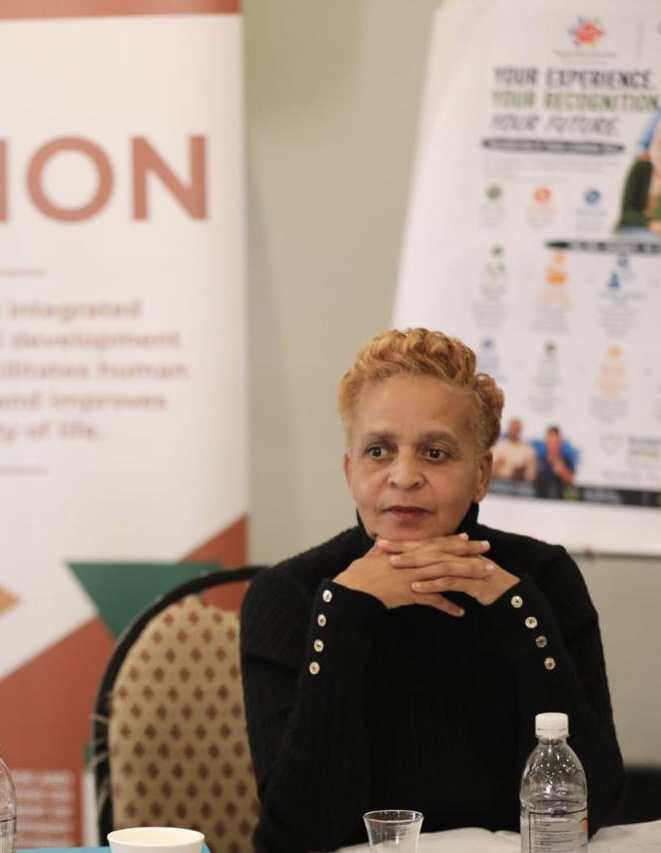 Jubilee Matlou